
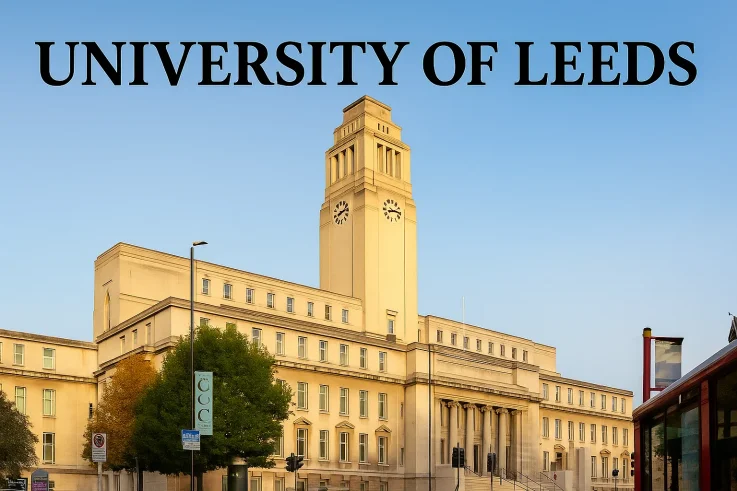
Researchers from the University of Leeds, in collaboration with Indian partners, are studying the impact of rising temperatures on marginalised communities in Pune to develop sustainable and inclusive cooling solutions.
The project focuses on residents of Kishkindha Nagar and Shinde Vasti informal settlements, who face increased heat exposure due to overcrowded housing, limited access to cooling facilities, inadequate infrastructure and fewer green spaces.
The research brings together the University of Leeds, Dr Bhanuben Nanavati College of Architecture (BNCA) and social enterprise Barefoot Story. The team is engaging with residents to understand their experiences of heat stress, existing coping mechanisms and potential solutions.
Using participatory systems mapping, researchers are identifying gaps in the city’s cooling infrastructure and generating insights to support urban planning and policymaking.
The study has highlighted community demands for cool roofs, community cooling centres and home retrofitting to improve long-term heat resilience. Educational playing cards and a video in Marathi have also been developed to raise awareness about climate adaptation.
Researchers said integrating heat action plans with sustainable cooling strategies was essential to protect vulnerable populations while limiting energy consumption and carbon emissions.
The findings are expected to offer insights for cities in India and other countries facing rising temperatures and growing demand for cooling.