
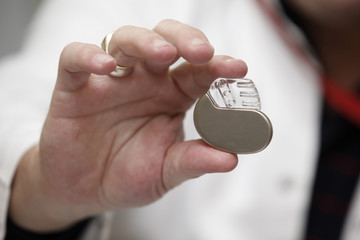
Researchers from the University of Leeds and Université Grenoble Alpes have developed a new algorithm that can help doctors choose the most suitable pacemaker for each patient and adjust its settings to make the battery last longer. Pacemakers generally work for seven to 14 years, depending on how many advanced features are used. By switching off functions that are not medically necessary, the device could continue working for several additional years — reducing the number of surgeries patients need and lowering healthcare costs.
The study identifies which pacemaker features consume the most power, enabling doctors to tailor settings based on individual needs. The research has been published in the open-access journal PLOS One, allowing clinicians worldwide to freely use the modelling tool.
Dr. Klaus Witte from the University of Leeds said the development marks an important step toward personalised pacemaker care, adding that delaying or even avoiding battery replacements would benefit patients and health systems such as the NHS.
Professor Pascal Defaye from Université Grenoble Alpes emphasised that the approach is based on real-world data, making it possible to directly compare different manufacturers and technologies.
Pacemakers are small devices implanted near the collarbone to help patients with irregular heart rhythms. Modern models offer many advanced features — such as remote monitoring or boosting heart rate during exercise — but not all are essential for every patient. This new tool helps cardiac specialists evaluate which features to activate, improving both care and battery efficiency.